If we had to award prizes to plants for best in show, the ceremony would be ridiculously long. The conductor would strike up the orchestra, signaling us to wrap it up. However, isn’t that a good thing? A garden blessing, so to speak? We may have cold winters and hot summers in the Midwest, but we also have a wonderful array of plants from which to choose when planning our gardens. From grasses to perennials, these plants are holding their own with little input from us.
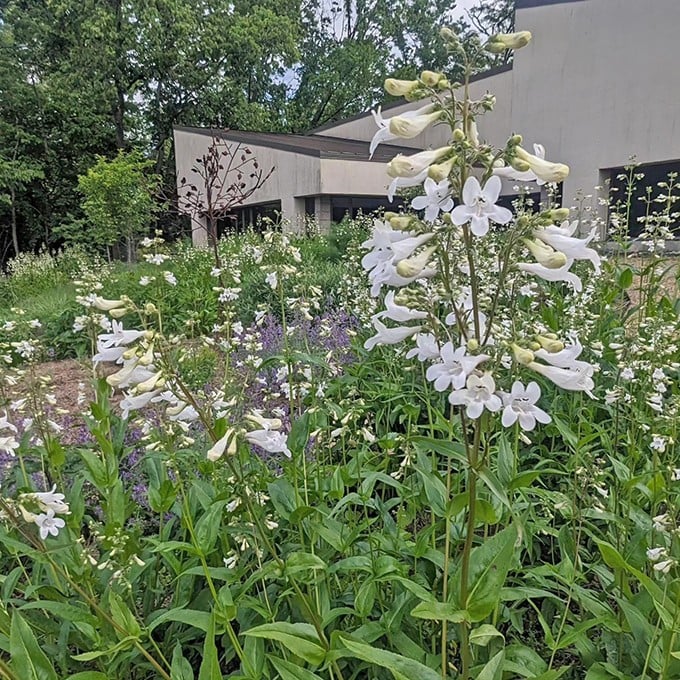
Penstemon Digitalis
What started as plugs last fall was a sea of tubular flowers, swaying in the breeze this spring. The white blooms against the early green flush of the spring garden were striking. The bees delighted in the flowers. The seed heads are interesting and will lend winter interest to the garden. I’m not sure how readily it reseeds, so we’ll deadhead some to be on the safe side.

Dill
Could this be the best $4 spent? Perhaps. A host plant for swallowtail butterflies, this plant has been a lovely contributor to the pollinator garden. It does re-seed, which is nice, but can be overwhelming for new gardeners or those with loose soil because the better your soil, the easier it is for plants to re-seed. Fortunately, the young plants are easy to spy as soon as they emerge, and with our loose garden soil, editing unwanted plants is a simple task. Ours are incredibly tall, almost to a ridiculous degree. It’s common for dill to reach four feet. Our stand has taken that as challenge, often surpassing the six-foot mark. The plants in our gardens are volunteers – the offsprings from the original plants installed three years ago. I don’t need all the plants to go to seed, and some of the volunteers are in areas of the garden where a six-foot-tall plant would look quite odd. Therefore, we deadhead some and Chelsea Chop others to create a more aesthetically pleasing garden. Care is taken to allow several to flower and go to seed to ensure a new crop next spring.

Native Pachysandra
What a treat this plant has been. What started as the tiniest of plugs last year, in an area that we can’t amend to the degree I would like due to tree roots; these native plants have excelled. It’s a calm plant, not one to stop you in your tracks, but its foliage is worth noting and the tiny white flowers are charming. It would look divine snuggling in amongst the Pennsylvania and Appalachian Sedge. And for the record, our native sedges are thriving in our shade garden. Evergreen, easy to tidy up should you choose to do so in the spring, these native sedges are easy to grow, offer interesting flowers and seeds, and are ideal for those considering a matrix shade garden planting style.

Asclepias tuberosa
This plant has been quite curious this spring. I know to be patient with this native as it is very slow to emerge, but what I didn’t expect is to find new plants emerging as late as July first. Going forward, I will always keep their space in the garden reserved, even into summer. I would hate to assume its demise in late June and add a plant in its garden spot when now I know there’s the chance it will begin to emerge in July. Because our gardens are on the lush side, keeping a few spaces open, while we patiently await the Asclepias to emerge will matter not.

Stachys officinalis ‘Hummelo’
I’ve had nothing but success with this plant. Easy to grow, thrives in the sun, attractive to bees, stands through winter, and spreads very politely via stolons, this plant is on the top of my list. If you deadhead, it will bloom again. If you don’t deadhead, some will still re-bloom. And if you are a hands-off gardener, the stems and seed heads stand to offer winter interest to the garden. You really can’t go wrong with this plant.

Mountain Mint
The Perennial Plant of the Year is recommended with a word of caution. In areas of our landscape that are not blessed with rich, loose soil, it seems to remain rather tight and tidy. But, in areas where we amend the soil, it can take over with reckless abandon. We edit a fair amount of the plant each year to prevent it from steamrolling neighboring plants. What does this mean to you, the home gardener? If you have been working your beds, your soil is likely conducive to plant expansion. I would not plant along a fence line – your neighbor may not relish this aggressive intruder. If you do have the ability to keep this in check, or the room to let it roam, the bees will be forever in your debt. This is by far one of the most popular pollinator plants in our garden.